Many homeowners use the terms remodeling and renovating interchangeably, but they are not the same thing. While both involve improving your home, they serve different purposes and can have very different outcomes.
Understanding the difference can help you make better decisions, set realistic expectations, and invest in improvements that align with your goals. Whether you’re updating a dated room or completely transforming how a space functions, knowing which approach is right for your home is an important first step.
What Is Renovation?
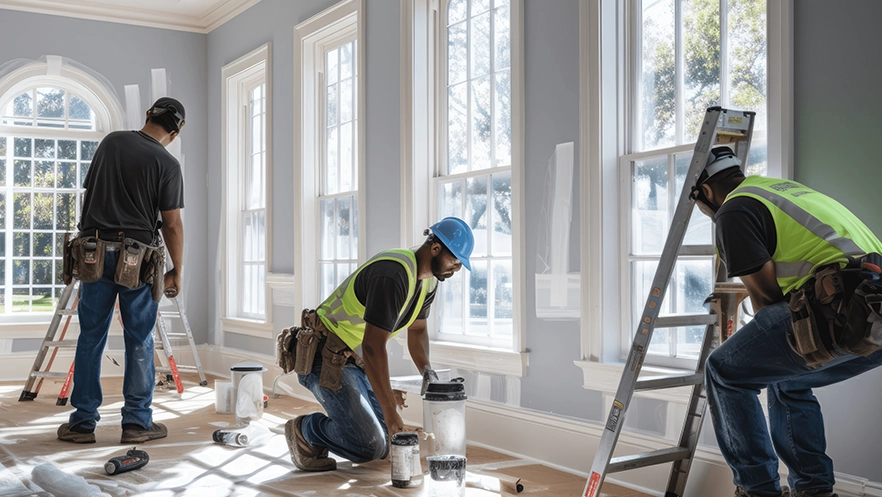
Renovation focuses on restoring, updating, or refreshing an existing space without significantly changing its structure or layout.
The purpose of a renovation is typically to improve appearance, replace worn materials, and modernize a room while maintaining its original function.
Examples of renovation projects include:
- Repainting walls and ceilings
- Replacing flooring
- Updating light fixtures
- Installing new countertops
- Replacing cabinets while keeping the same layout
- Refreshing bathrooms with new fixtures and finishes
- Upgrading doors, trim, and hardware
Renovation projects are often ideal when a space functions well but needs cosmetic improvements or material updates.
What Is Remodeling?
Remodeling involves changing the structure, layout, or functionality of a space.
Instead of simply updating finishes, remodeling focuses on transforming how a room works and how people use it.
Examples of remodeling projects include:
- Removing or relocating walls
- Reconfiguring room layouts
- Expanding kitchens or bathrooms
- Creating open-concept living spaces
- Adding storage solutions
- Converting unused areas into functional rooms
- Redesigning spaces to better support daily living
Remodeling projects generally require more planning because they often involve larger design and construction changes.
Remodeling vs. Renovating: Key Differences
| Feature | Renovation | Remodeling |
| Primary Goal | Refresh or restore a space | Change functionality or layout |
| Structural Changes | Rare | Common |
| Design Flexibility | Limited | Extensive |
| Construction Work | Minimal | More involved |
| Cost | Often lower | Typically higher |
| Project Timeline | Shorter | Longer |
| Impact on Functionality | Minor improvements | Significant improvements |
Common Types of Renovation Projects
Renovation projects focus on improving the condition and appearance of a home while preserving the existing layout.
Kitchen Renovations
Kitchen renovations often involve replacing countertops, updating cabinetry, installing new fixtures, upgrading flooring, or improving lighting while maintaining the current floor plan.
Bathroom Renovations
Bathroom renovations may include new vanities, updated tile, modern fixtures, improved lighting, and fresh finishes that enhance the appearance of the space.
Interior Renovations
Many homeowners renovate living rooms, bedrooms, and hallways by replacing flooring, repainting walls, updating trim, and modernizing interior finishes.
Exterior Renovations
Exterior renovations can include repainting, replacing siding, upgrading entry doors, repairing trim, and making improvements that enhance curb appeal.
Common Types of Remodeling Projects
Remodeling projects focus on creating spaces that function better and support changing household needs.
Kitchen Remodeling
Kitchen remodeling often involves redesigning layouts, improving workflow, adding islands, expanding storage, and creating more functional cooking and gathering spaces.
Bathroom Remodeling
Bathroom remodeling may include changing layouts, enlarging showers, relocating fixtures, increasing storage, and improving overall usability.
Open-Concept Living Spaces
Many homeowners remodel by removing walls and combining separate rooms to create larger, more connected living areas.
Room Conversions
Unused rooms or underutilized spaces can be transformed into home offices, guest rooms, hobby spaces, fitness rooms, or other functional living areas.
Custom Storage Solutions
Remodeling projects often include built-in shelving, custom cabinetry, storage systems, and organizational features designed to improve efficiency throughout the home.
Questions to Ask Before Choosing Between Remodeling and Renovation
Before starting any home improvement project, consider the following questions:
Does the Current Layout Work for You?
If the space functions well but looks outdated, a renovation may be enough. If the layout creates challenges or limits functionality, remodeling may be the better option.
What Is Your Budget?
Renovation projects are generally more affordable because they focus on updates rather than structural changes. Remodeling projects typically require a larger investment due to their scope.
Are There Existing Problems That Need Attention?
Sometimes a project begins as a renovation but uncovers hidden issues such as water damage, aging materials, or structural concerns that require a more extensive remodeling approach.
Benefits of Improving Your Home
Whether you choose remodeling or renovation, thoughtful improvements can provide meaningful benefits.
- Improved comfort and functionality
- Better organization and storage
- Updated appearance
- More enjoyable living spaces
- Enhanced property condition
- Greater efficiency and usability
- Long-term value and satisfaction
The most successful projects solve real problems while making everyday life more convenient and enjoyable.
Which Option Is Right for Your Home?
The right choice depends on your goals, budget, and how you want the space to function moving forward.
If your room works well but needs a refreshed appearance, renovation may provide everything you need. If the space no longer supports your lifestyle, lacks functionality, or requires significant changes, remodeling may offer a better long-term solution.
Ultimately, the best home improvement projects are not just about updating appearances—they are about creating spaces that work better for the people who use them every day.